Data Centers in Our Backyard: Jobs, Infrastructure, and the Future of West Virginia Communities


A Community Conversation That West Virginia Needed
On March 31, 2026, West Virginians gathered at Shepherd University’s Robert C. Byrd Center for a public conversation that couldn’t be more timely: the rapid expansion of data centers across our state — and what that growth means for our jobs, our infrastructure, and our communities.
The full event, hosted by the Stubblefield Institute and streamed by MetroNews Television, is available here: Data Centers in Our Backyard: Jobs, Infrastructure, and Community Impact
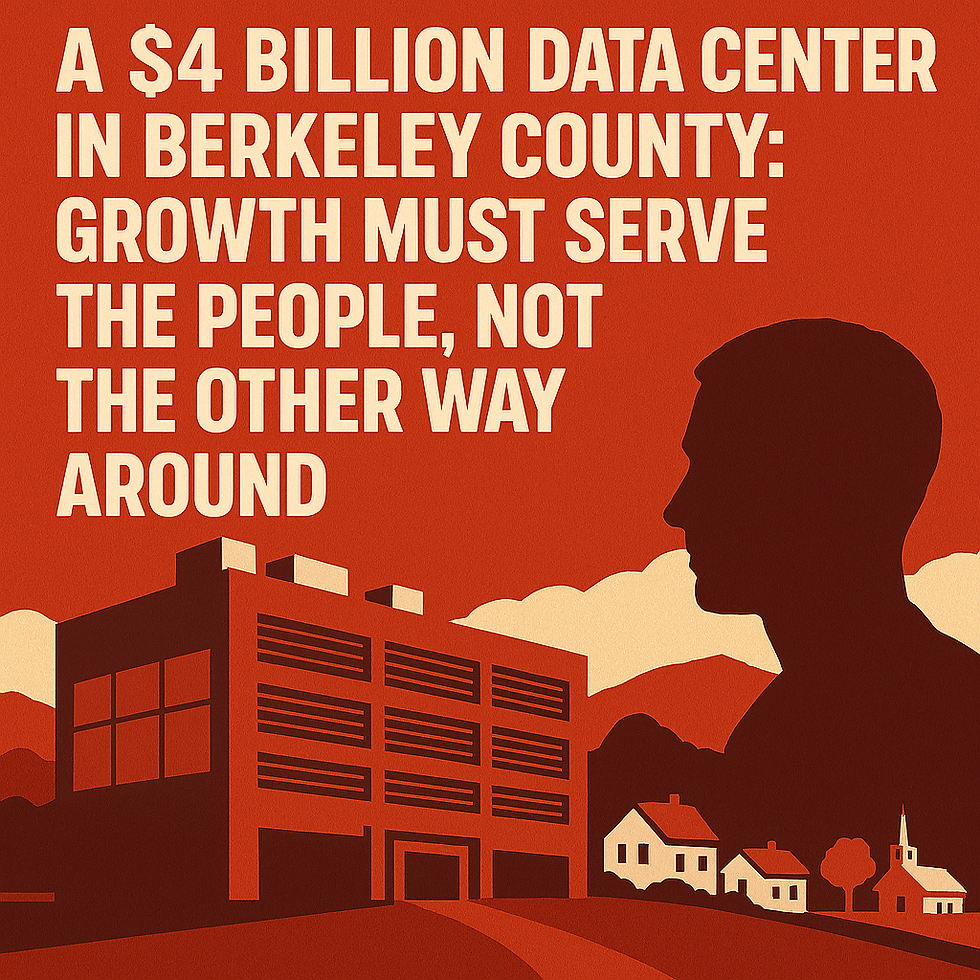
As more multimillion‑ and multibillion‑dollar data center projects are announced — including the $4 billion proposal in Berkeley County — residents are asking the right questions. This forum made one thing clear: West Virginians want growth, but we want growth that respects our communities, protects our resources, and delivers real, lasting value.
A Conversation Grounded in Community
The panel featured voices from government, industry, and local advocacy:
Cara Keys, Jefferson County Commissioner
Amy Margolies, Executive Director, Tucker United
Chris Morris, WV Department of Economic Development (Data Economy Office)
Dado Slezak, QTS (Utility Innovation)
Moderator: Steve Pearson, Observer Weekly
Opening Remarks: Ashley Horst, Stubblefield Institute
Each brought a different lens — economic development, community protection, infrastructure planning, and industry innovation — but the shared theme was unmistakable: data centers are coming, and West Virginia must be prepared to manage them responsibly.
Jobs: High‑Value Construction, Low Ongoing Employment
Panelists acknowledged what many residents already know: data centers create significant construction jobs, often union jobs, but very few long‑term positions once operational.
The question for communities becomes:
Are we trading permanent land use, heavy utility demand, and tax incentives for only a handful of ongoing jobs?
Without clear job projections and enforceable commitments, communities cannot evaluate whether a project truly benefits local workers.
Infrastructure: Power, Water, and Broadband Under Pressure
One of the most urgent topics was infrastructure demand — especially electricity and water.
Data centers require massive, continuous power loads. They can strain local grids, accelerate the need for new substations or transmission lines, and shift costs onto ratepayers if not properly regulated. Water use, depending on cooling systems, can reach millions of gallons per day.
Panelists emphasized the need for:
Independent impact assessments
Transparent utility planning
Protections for residential ratepayers
Coordination with local governments, not workarounds
Communities deserve to know whether their infrastructure is being upgraded for them — or for a private corporation.
Community Impact: Transparency Is Not Optional
Residents across Jefferson, Berkeley, and surrounding counties have raised concerns about:
Loss of local control
Tax structures that reduce revenue for schools and services
Environmental impacts
Noise, diesel backup generators, and 24/7 operations
Land use decisions made without public input
These concerns are not anti‑growth — they are pro‑community. West Virginians want development that strengthens our towns, not development that treats us as an afterthought.
The Future of West Virginia in the Digital Economy
There is no question that data centers are part of the national economic landscape. The real question is whether West Virginia will shape this growth or be shaped by it.
The event highlighted several priorities moving forward:
Transparency from developers and state agencies
Clear disclosure of end users and job numbers
Infrastructure planning that protects ratepayers
Environmental safeguards and water protections
Local government involvement from day one
Growth must serve the people — not the other way around.
Why This Conversation Matters
As more data center proposals emerge, West Virginians deserve straight answers. We deserve to know who benefits, who pays, and what the long‑term impacts will be on our communities, our utilities, and our way of life.
This forum was a step toward that transparency. But it cannot be the last step.
Our state stands at a crossroads. If we demand accountability, insist on community‑first planning, and protect our resources, we can ensure that the digital economy strengthens West Virginia rather than exploiting it.
Rob Vincent for House of Delegates, District 99
Honest work. Real solutions. A Better West Virginia. Learn more or get involved at Vincent4WV.org


Comments